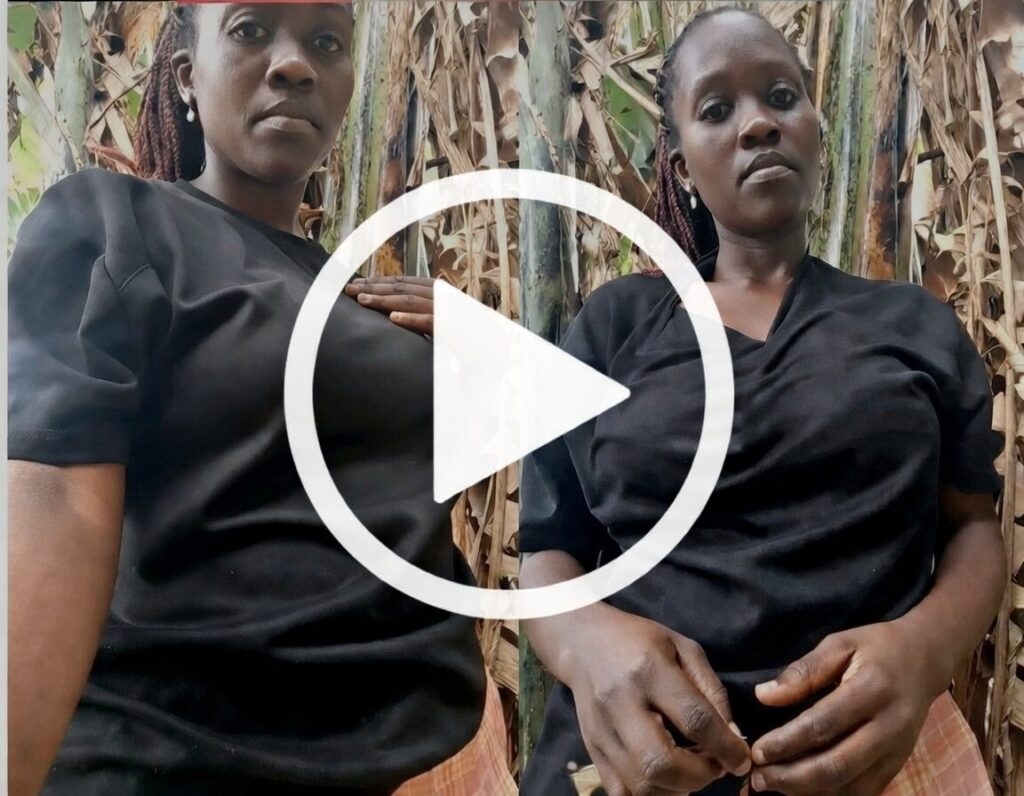
Why Kenyan Primary School Teachers Should Be Careful When Posting Social Media Content
Social media has become part of everyday life for many people, including teachers. Platforms like Facebook, TikTok, and Instagram allow educators to share experiences, creative ideas, and moments from their professional lives.
However, for primary school teachers in Kenya, creating online content requires extra caution. Teachers play a unique role in children’s lives, and their online behavior can influence how students see them.
Teachers as Role Models
In Kenyan society, teachers are traditionally respected figures. Children often view their teachers not only as instructors but also as mentors and role models. Because of this influence, teachers’ actions—both in the classroom and online—can shape students’ perceptions of professionalism and respect.
Posting inappropriate jokes, controversial opinions, or overly personal content may affect how students and parents view a teacher.
Protecting Students’ Privacy
Primary school learners are minors, and their privacy must always be protected. Sharing photos, videos, or personal information about pupils without proper consent can raise serious concerns.
Even well-intentioned posts meant to celebrate classroom activities may unintentionally expose children’s identities, locations, or personal details. Teachers must always ensure that any content involving pupils respects their privacy and school policies.
Maintaining Professional Boundaries
Social media can blur the line between personal life and professional life. Teachers who share too much personal content or interact casually with pupils online may unintentionally weaken professional boundaries.
Maintaining a respectful distance helps preserve the authority and trust that are essential in a learning environment.
Avoiding Misinterpretation
Online posts can easily be misunderstood when viewed outside their original context. A joke, short video, or comment may be interpreted differently by parents, school administrators, or the wider public.
For teachers, even a small misunderstanding can damage professional credibility. Being thoughtful about what is posted online can help prevent unnecessary controversies.
Protecting the Image of the Teaching Profession
The teaching profession carries a strong reputation for discipline and integrity. When teachers share inappropriate or controversial content online, it can affect not only their own reputation but also public confidence in the profession.
By using social media responsibly, teachers help maintain the dignity and respect associated with education.
Using Social Media Positively
Social media can still be a powerful tool for teachers when used wisely. Many educators share useful learning materials, motivational messages, or teaching ideas that benefit students and fellow teachers.
The key is ensuring that all content reflects the professionalism expected from those entrusted with shaping young minds.
A Responsibility Beyond the Classroom
Primary school teachers influence children during some of the most formative years of their lives. Because of this responsibility, their actions—both offline and online—should reflect respect for the learners they teach.
By being thoughtful and cautious when creating social media content, Kenyan teachers can continue inspiring their students while maintaining the respect and trust that define their profession.