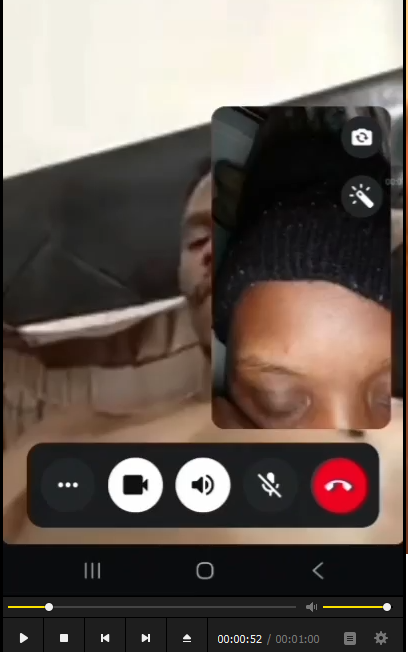
Why WhatsApp Should Restrict Recording of Private Video Calls
In today’s digital world, communication apps like WhatsApp have made it easier for people to stay connected through video calls. However, growing concerns about privacy and misuse have raised an important question: should the platform do more to prevent users from recording private video calls?
1. Protection of Personal Privacy
Video calls are often deeply personal. People share private conversations, emotions, and moments with the expectation that they remain confidential. When calls are secretly recorded, this trust is broken, leading to serious privacy violations.
2. Misuse and Blackmail Risks
One of the biggest concerns is the misuse of recorded content. In some cases:
- Recordings are shared without consent
- Clips are edited and used to embarrass individuals
- People are threatened or blackmailed using private footage
Restricting or controlling recording features could reduce such harmful situations.
3. Lack of Consent
Many users are unaware that their calls can be recorded. Recording someone without their knowledge or permission raises ethical concerns and can cause emotional distress when discovered.
4. Impact on Trust and Communication
When people fear that their conversations might be recorded, they may become less open and honest. This affects:
- Personal relationships
- Professional discussions
- Mental well-being
A safer environment encourages free and genuine communication.
5. Need for Stronger Platform Controls
WhatsApp could introduce features such as:
- Notifications when a call is being recorded
- Blocking screen recording during calls
- Stronger privacy warnings
These measures would help protect users while still allowing communication.
Conclusion
As digital communication continues to grow, protecting user privacy must remain a priority. By limiting or regulating the recording of private video calls, WhatsApp can create a safer and more trustworthy environment for its users.