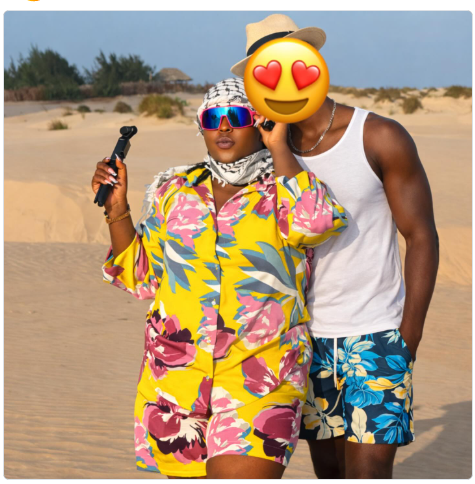
Why Cross-Dressing Among Kenyan Men Is Gaining Visibility
In recent years, conversations around fashion, identity, and self-expression have expanded across the globe — and Kenya is no exception. One trend that has sparked discussion is the growing visibility of Kenyan men who experiment with clothing traditionally associated with women. While the topic may be sensitive in some circles, it reflects broader cultural and generational shifts happening in society today.
Below are several reasons why this form of self-expression appears to be becoming more noticeable.
1. The Influence of Social Media
Social media platforms have played a major role in shaping modern fashion trends. Apps like Instagram, TikTok, and YouTube allow individuals to showcase personal style without traditional gatekeepers.
Young Kenyan creatives are increasingly using these platforms to:
- Share bold fashion choices
- Build personal brands
- Challenge traditional fashion boundaries
- Connect with global audiences
Exposure to international fashion influencers has made alternative styles more accessible and normalized.
2. Changing Definitions of Fashion
Fashion is constantly evolving. What was once considered unconventional often becomes mainstream over time. Designers around the world are embracing gender-neutral clothing, blurring traditional distinctions between men’s and women’s wardrobes.
In Kenya, urban fashion scenes in cities like Nairobi are reflecting this shift. Many young men see clothing not as a fixed rulebook, but as a creative outlet.
3. Artistic and Performance Expression
Cross-dressing is not always about identity — sometimes it is about performance. In theater, comedy, music videos, and digital skits, performers often adopt different styles to entertain audiences.
Kenya’s growing creative industry has encouraged performers to experiment with appearance as part of storytelling, satire, or branding. This has increased public exposure to diverse fashion expressions.
4. Global Cultural Exchange
Kenyan youth are more globally connected than ever before. Through streaming platforms and international entertainment, trends spread quickly across borders.
Exposure to global celebrities, fashion weeks, and alternative style movements has influenced how young people perceive clothing and identity. This cultural exchange contributes to evolving attitudes toward personal expression.
5. Generational Differences
Younger generations often question traditional norms more openly than previous ones. Conversations around individuality, freedom of expression, and personal authenticity are more common today.
For some, fashion experimentation is simply a way to stand out, explore creativity, or make a statement about independence.
6. Increased Public Dialogue
Whether supported or debated, the topic is now openly discussed in media, blogs, and online forums. Increased visibility naturally creates the perception of growth.
As discussions become more frequent, awareness rises — making the trend appear more widespread.
Final Thoughts
The growing visibility of cross-dressing among Kenyan men reflects broader conversations about fashion, identity, creativity, and globalization. While opinions vary, the trend highlights how societies evolve over time.
As Kenya continues to develop culturally and economically, self-expression — in many forms — will likely remain part of ongoing national dialogue.